Sigma Gamma Rho Sorority, Inc.
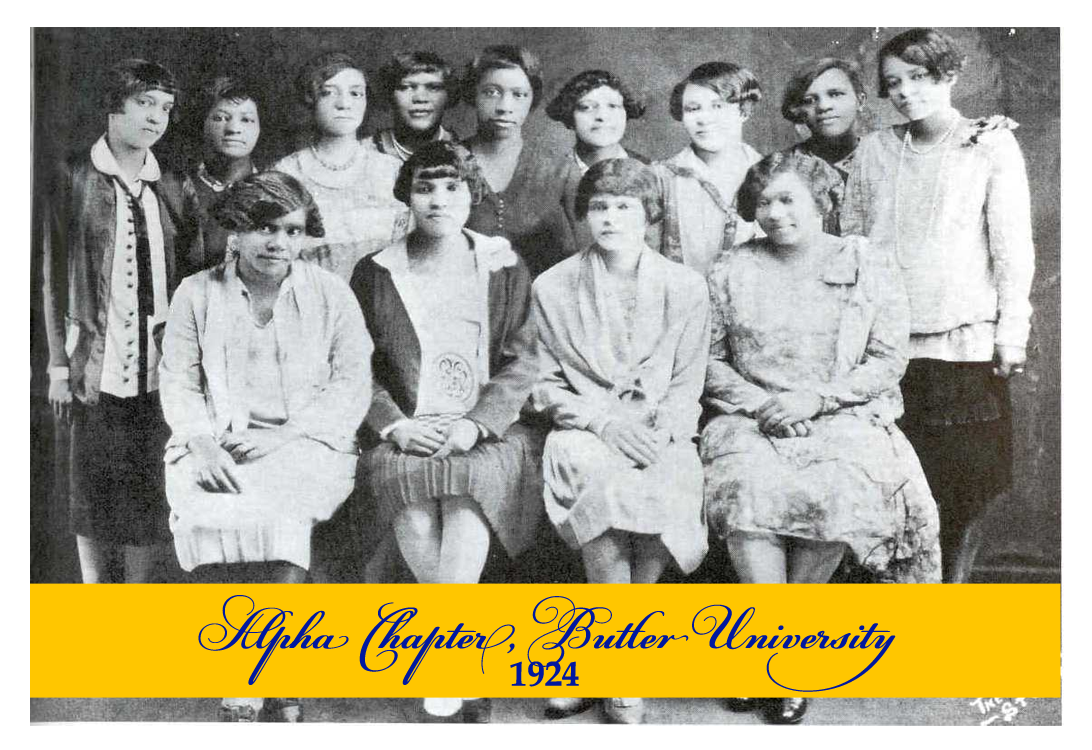
Sigma Gamma Rho Sorority, Inc. was founded on November 12, 1922, at Butler University in Indianapolis, Indiana. Since its founding, the organization has expanded to over 500 chapters in the U.S., Bahamas, Bermuda, the U.S. Virgin Islands, Canada, Germany and Korea.
The mission of Sigma Gamma Rho Sorority, Inc.is to enhance the quality of life for women and their families in the U.S. and globally through community service. Our goal is to achieve greater progress in the areas of education, healthcare, and leadership development. Our members, affiliates, staff and community partners work to create and support initiatives that align with our vision.
National Programs
OperationBigBookBag is a program designed to address the needs, challenges and issues that face school-aged children who are educationally at-risk, in local homeless shelters and extended-care hospitals and facilities. Through this program, chapters and members collect and donate educational materials, equipment and school supplies.
Through the partnership with USA Swimming, Sigma Gamma Rho’s Swim 1922 campaign aims to address this disparity by having. Olympians and members of the sorority teach the community about water safety and how to swim. With USA Swimming, Sigma Gamma Rho has touched close to 20,000 lives, directly, with the projection of changing multiple generations to come. Swim 1922 programs are conducted during May-August of the sorority year.
The Women’s Wellness Initiative is a consolidated effort that allows chapters to focus on health issues that impact women; specifically, women of color.
Acceptable educational and programmatic efforts under this Initiative include, but are not limited to Breast Cancer Awareness, Intimate and Domestic Violence, Heart Health, Diabetes Health, Mental Health and other issues that target women.
Sigma Gamma Rho Sorority’s Project CRADLE Care is one of our essential programs designed to raise awareness of disparate and inequitable maternal and infant health outcomes Black women endure through community outreach, advocacy, education, and implicit bias training. In so doing, we aim to mitigate outcome and life-course disparities in our communities.